Dachshund 🐾 – Lively, Loyal, and Lovable
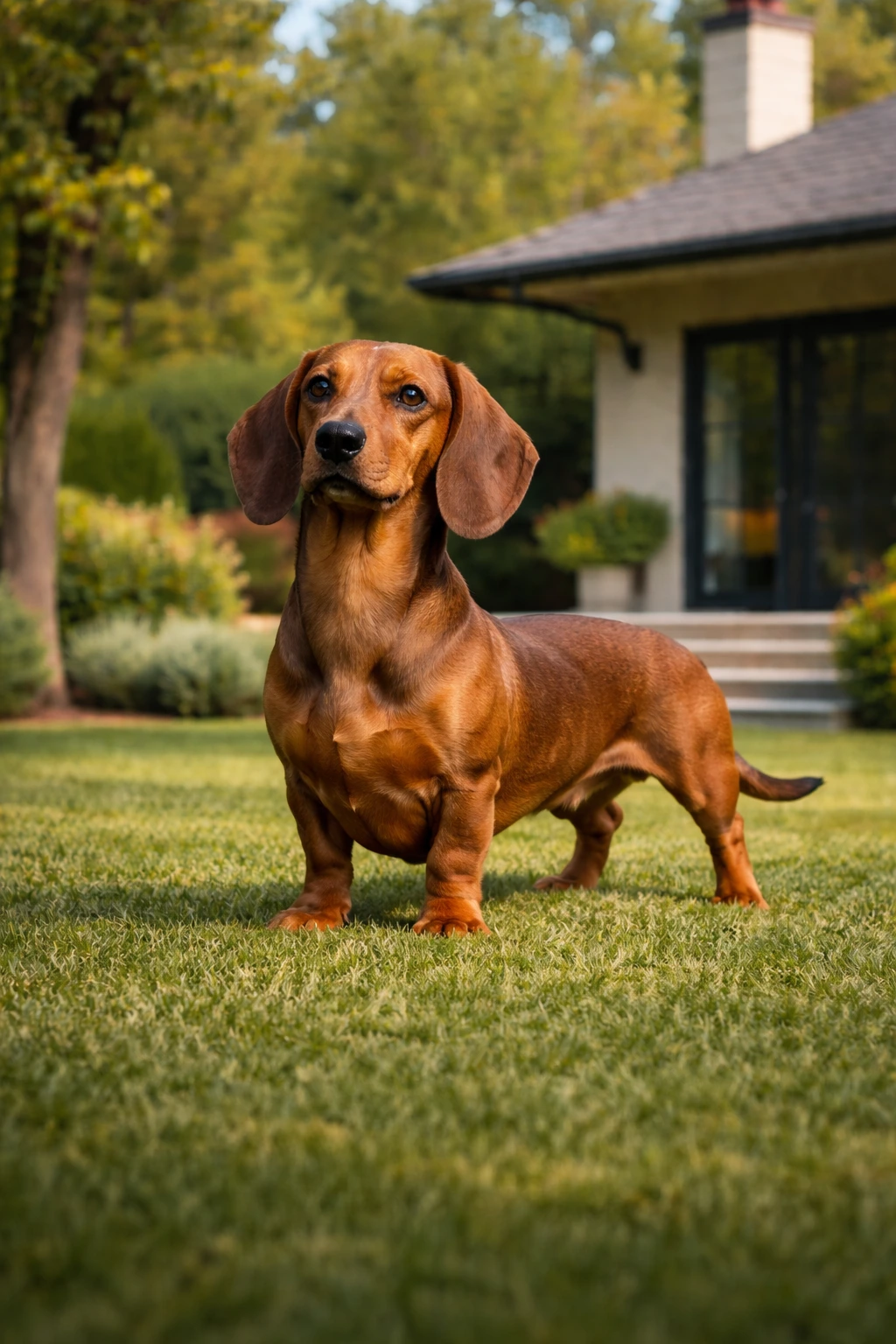
The Dachshund, affectionately known as the "wiener dog" or "sausage dog," is a small breed with a big personality. Their long body, short legs, and charming expressions make them instantly recognizable, but it’s their playful, curious, and loyal nature that truly wins hearts. Perfect for families, couples, or singles, Dachshunds are devoted companions who thrive on human interaction.
Personality and Temperament
Dachshunds are bold, curious, and intelligent. Despite their small stature, they have a fearless and adventurous spirit. They are playful with children, affectionate with adults, and can be protective of their home. This breed enjoys exploring, sniffing out new scents, and engaging in interactive games. Their strong attachment to family members makes them excellent lapdogs, while their natural curiosity keeps life lively and entertaining.
While they are loving, Dachshunds can be independent thinkers. Patience and positive reinforcement are key when training, and early socialization ensures they develop well-rounded behavior around strangers, pets, and new experiences.
Appearance and Physical Traits
Dachshunds come in three coat varieties: smooth, long-haired, and wire-haired, each with its own unique charm. Their compact size—usually 3.5–5 kg for miniature and 7–14 kg for standard—makes them suitable for both apartments and houses. Their long body, expressive eyes, and floppy ears give them a distinctive and endearing look that’s hard to resist.
Regular grooming is important: smooth coats need occasional brushing, long coats require more frequent attention to avoid tangles, and wire-haired coats benefit from hand-stripping to maintain texture. Routine ear care prevents infections due to their long, floppy ears.
Care, Exercise, and Training
Dachshunds may be small, but they are energetic and need daily walks, playtime, and mental challenges. Puzzle toys, scent games, and training sessions satisfy their curious minds. Without sufficient stimulation, they can become bored or stubborn.
Training should start early with patience and consistency. Positive reinforcement—praise, treats, and short sessions—works best. Socialization from a young age ensures they are friendly and confident around other dogs and people.
Health and Lifespan
Dachshunds generally live 12–16 years. They can be prone to back problems due to their elongated spine, so it’s important to avoid excessive jumping and to provide supportive surfaces. Maintaining a healthy weight, regular veterinary check-ups, and careful exercise routines help prevent spinal issues and ensure a long, happy life.
Why Choose a Dachshund?
- Small, playful, and full of personality
- Loyal and affectionate, great with families
- Curious, intelligent, and adventurous
- Ideal for apartments or homes of any size
- Unique appearance with long body and expressive features
Fun Facts About Dachshunds
- Originally bred in Germany for hunting badgers and burrowing animals.
- Their elongated body helps them dig and enter tunnels.
- Despite their small size, they are surprisingly brave and alert.
- Dachshunds come in a variety of colors and coat types, each with its own personality charm.
Final Thoughts
A Dachshund is more than just a cute, long-bodied dog—they are intelligent, loyal, and playful companions. With proper care, training, and love, your Dachshund will bring endless joy, laughter, and affection into your home. Perfect for families, couples, or singles, this breed thrives on companionship and curiosity, making life exciting every day.
Discover more tips, training guides, and breed insights on I Love Dogs to ensure your Dachshund grows into a happy, confident, and cherished companion.